Five failure modes of cutting picks.
Observed failure modes of cutting picks in the field — from normal wear to carbide loss and uneven wear. Causes: ground-condition mismatch, excessive impact, material properties, or mounting geometry.
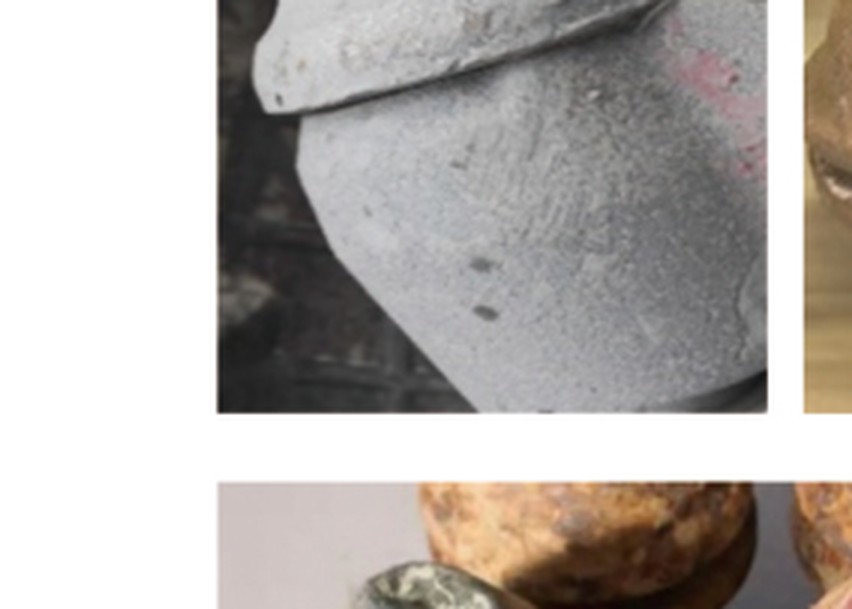
Rapid Body Wear
The steel body erodes faster than the carbide due to material properties.
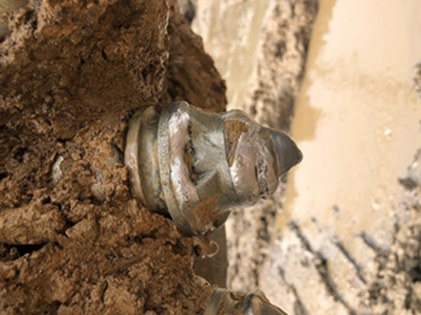
Carbide Fracture
Unmatched ground conditions or excessive impact — main carbide, carbide strips or carbide buttons crack and chip.
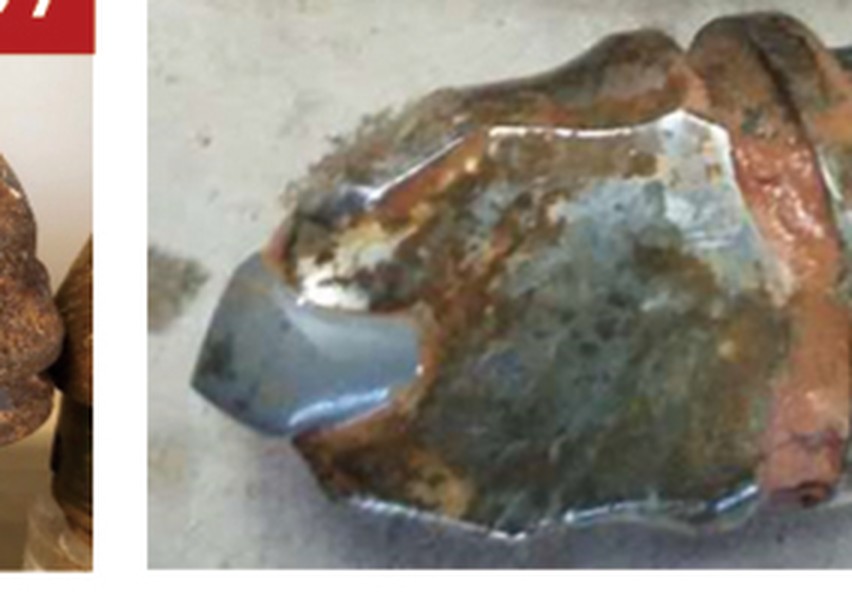
Carbide Loss
Excessive impact or out-of-sync wear — the steel body can no longer carry the carbide, which drops out of the pick.
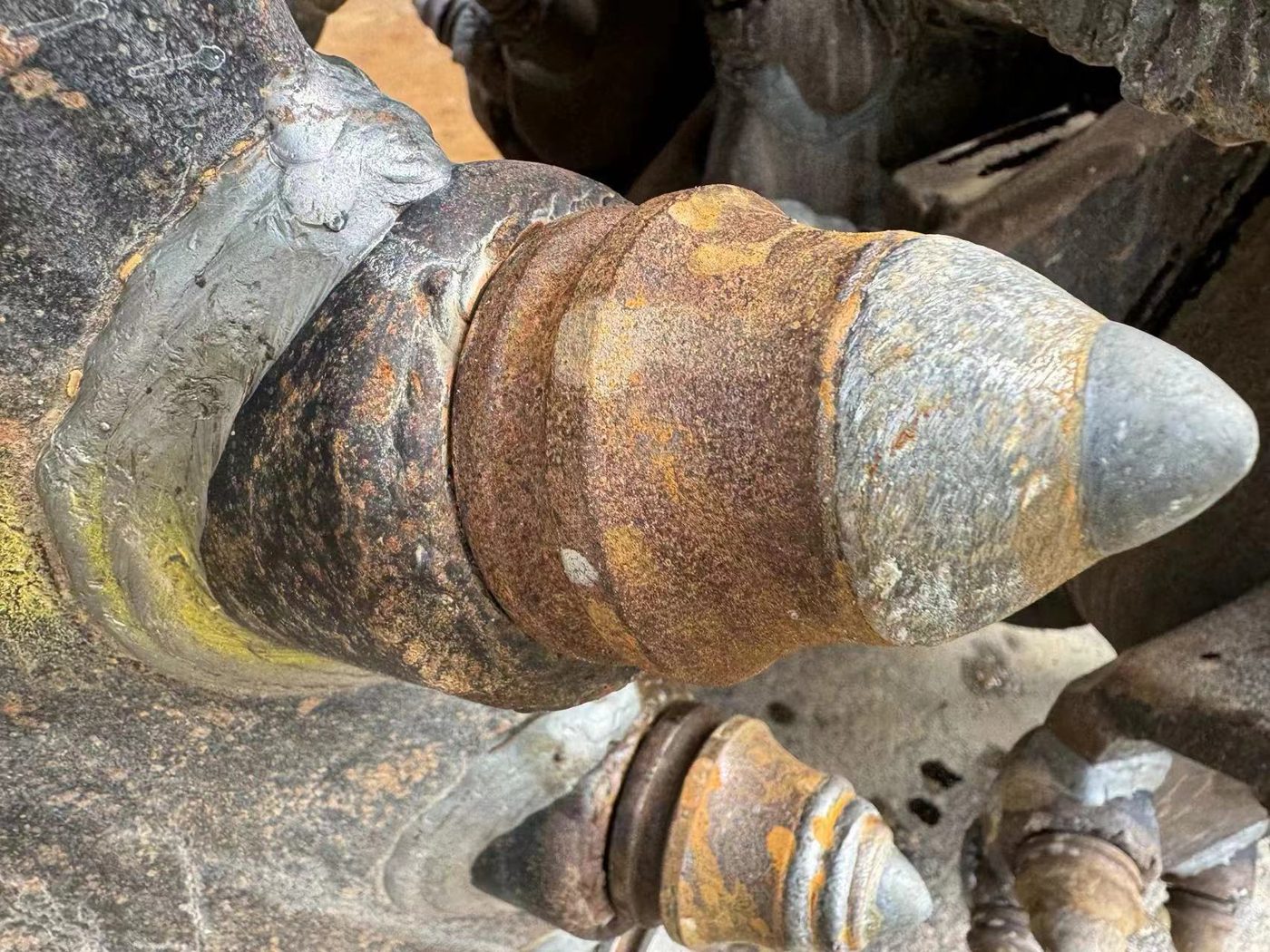
Uneven Wear
Pick mounting angle out of line with the cutting tool angle — the pick stops rotating during cutting and wears on one side only.
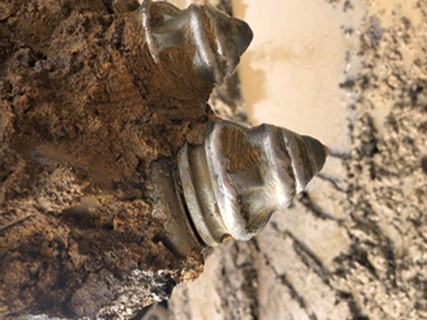
Normal Wear
Ground conditions matched, normal operation — the pick reaches its maximum service life.
Field-proven on real projects.
Alloy ring picks running against standard cutters on the same ground — direct jobsite results.


Field observations from customer job sites. Field comparison only — not laboratory test data. Full project data available on request.
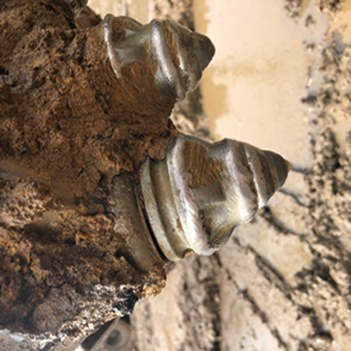
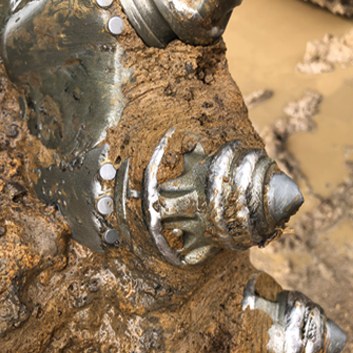
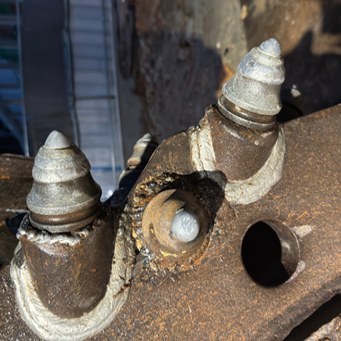
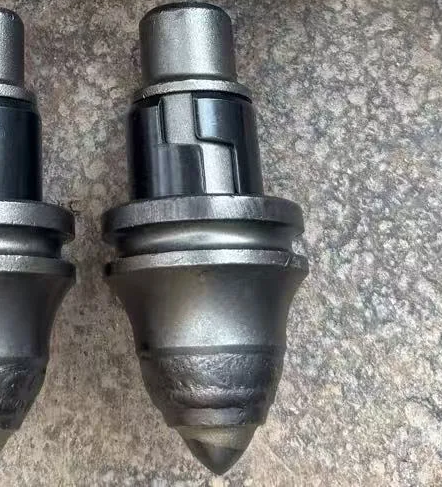
Photos above show picks recovered from actual customer operations. Field comparison only — not laboratory test data.
Test PLASMA in your ground.
Send us your operating parameters — rock type, compressive strength, abrasiveness, machine model. Our team will recommend the right alloy ring spec and arrange a field trial. Fast team response.